
How Peptides Work: The Science Behind Cell Signaling
Discover how peptides work through receptor binding, cell signaling, half-life, and targeted pathways. A research-focused guide to peptide science and mechanisms.
📋 Table of Contents
Peptides work by binding to specific receptors on cell surfaces, triggering internal signaling cascades that alter cell behavior. These short amino acid chains act as biological messengers, delivering precise, time-limited instructions throughout the body. Understanding how peptides work is essential for both natural biology and modern peptide-based research.
Key takeaways
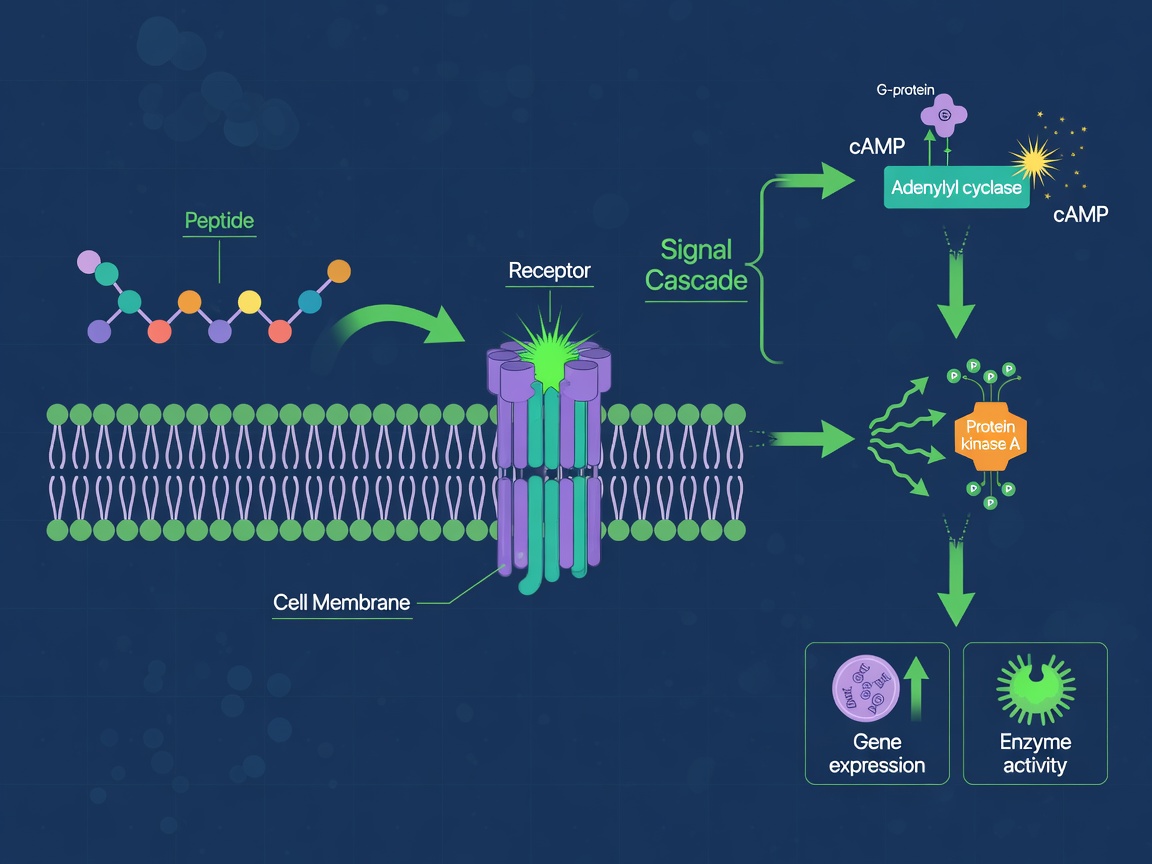
- Peptides work through receptor binding and cell signaling, not by replacing cells or acting as bulk nutrients.
- Each peptide’s shape and amino acid sequence determine which receptor it activates, making effects highly targeted.
- Natural peptides often have short half-lives—some lasting only minutes—which is why researchers modify structures for longer activity.
- More than 80 peptide-based drugs are approved worldwide, and the research pipeline continues to expand.
- Route, dose, individual biology, product quality, and lifestyle all influence how well peptides work in a research or clinical context.
Research Use Only Notice: The products discussed on this site are sold strictly for in vitro laboratory research purposes only. They are not for human use, not for veterinary use, and not intended to diagnose, treat, cure, or prevent any disease. All information presented is for educational purposes in a research context. Must be 21+ to purchase.
What Are Peptides, Exactly?
Every peptide starts with amino acids, the same building blocks that make up proteins. When two amino acids join together, they form a chemical link called a peptide bond, and chains of these bonds create peptides. By convention, chains of roughly 2 to 50 amino acids are called peptides; anything longer is usually classified as a protein.
Your body produces thousands of distinct peptides. Some, like insulin, regulate metabolism. Others, like oxytocin, influence mood and social bonding. Still others coordinate immune defenses or help repair damaged tissue. In essence, peptides are the body’s internal messaging system—compact instructions written in a chemical language that cells already understand. This foundation explains how peptides work across virtually every biological system.
Peptide bonds and chain length
The peptide bond forms between the carboxyl group of one amino acid and the amino group of the next, releasing a molecule of water. Because each amino acid has a unique side chain, the sequence of a peptide determines its three-dimensional shape, and that shape determines which receptors it can bind. Researchers classify peptides by length: oligopeptides usually contain 2–20 amino acids, while polypeptides stretch from 20 to 50. Proteins exceed 50 amino acids and often fold into complex, multi-domain structures. This size boundary matters because it changes how peptides work compared with larger proteins—peptides are small enough to be synthesized easily but large enough to carry specific receptor-recognition surfaces.
How do peptides work in the body?
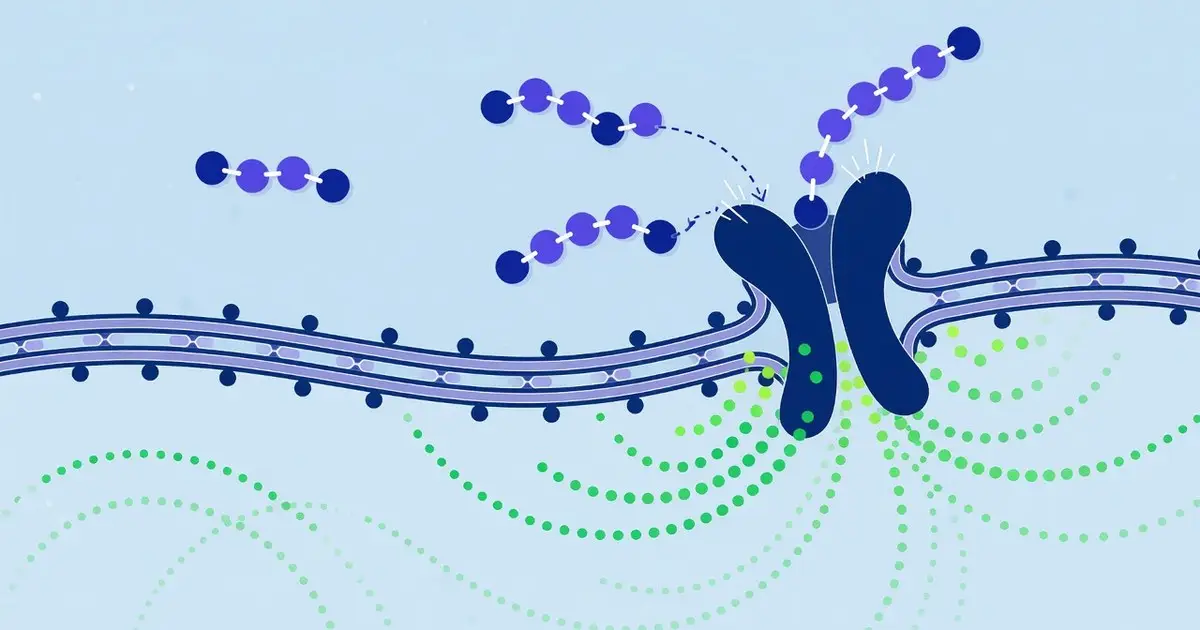
At its core, how peptides work depends on cell signaling: carrying information from one part of the body to another. Once released into the bloodstream or surrounding tissue, a peptide travels until it encounters a cell equipped with a matching receptor—a protein structure on the cell’s surface shaped to recognize that specific peptide.
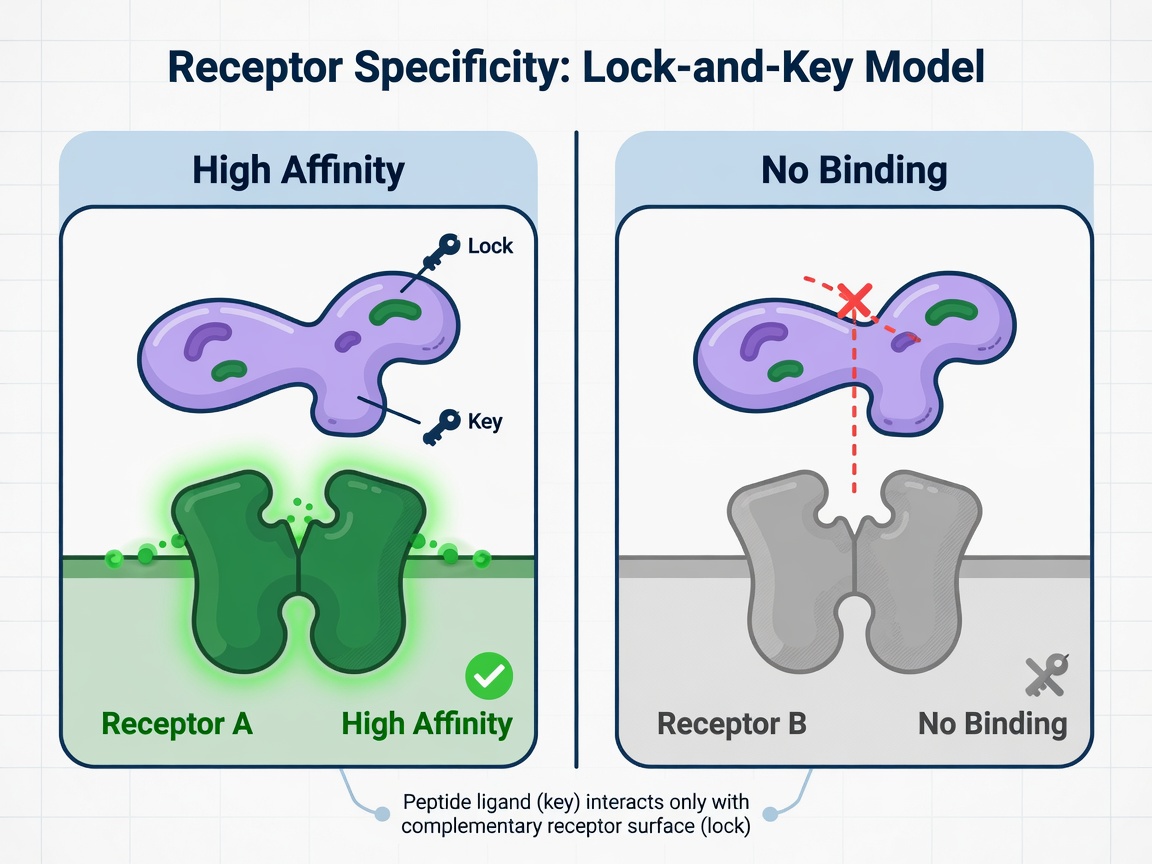
This process, known as receptor binding, works like a key fitting into a lock. When the peptide docks with its receptor, it triggers a cascade of chemical reactions inside the cell. These internal ‘second messengers’ amplify the original signal and change the cell’s behavior—switching genes on or off, releasing stored hormones, opening ion channels, or prompting the cell to grow and divide. This receptor-ligand interaction is the central event in how peptides work.
A classic example of how peptides work is insulin. When blood sugar rises after a meal, the pancreas releases insulin, which binds to receptors on muscle and fat cells. That binding event tells those cells to pull glucose out of the bloodstream and store it. Without the peptide message, the cells simply wouldn’t act.
💡 Key Takeaway: How do peptides work in the body?
Why does receptor specificity matter for how peptides work?
Because each receptor recognizes a particular peptide shape and sequence, peptides tend to produce highly targeted effects. This specificity is a major reason pharmaceutical researchers are drawn to them: a well-designed peptide can influence one biological pathway with minimal interference elsewhere, often resulting in fewer off-target side effects than traditional small-molecule drugs. Receptor specificity is the reason how peptides work can be so precise.
For a deeper look at the molecular principles, the General Principles of Cell Signaling from the National Center for Biotechnology Information explains receptor-ligand interactions in detail.
Peptides vs. small molecules: a signaling comparison
| Feature | Peptides | Traditional small molecules |
|—|—|—|
| Size | 2–50 amino acids; larger surface area | Usually under 500 daltons; smaller |
| Receptor binding | Highly specific, often mimics natural ligand | Can bind many targets; more off-target risk |
| Administration | Mostly injection due to digestive breakdown | Often oral |
| Half-life | Short, minutes to hours unless modified | Variable; often longer |
| Manufacturing | Solid-phase synthesis or recombinant methods | Chemical synthesis; simpler scale-up |
| Immunogenicity | Potential, especially longer chains | Rare |
This comparison highlights why researchers study peptide signaling even when small-molecule alternatives exist: the targeting advantage can translate into cleaner biological readouts in experimental models.
What Happens After a Peptide Does Its Job?
Peptide signals are meant to be temporary. Throughout the body, enzymes called proteases constantly patrol for peptides and cut their peptide bonds apart, recycling the amino acids for future use. As a result, many natural peptides have a remarkably short half-life—sometimes just minutes. Short half-life is a defining feature of how peptides work in vivo.
Natural GLP-1, the gut hormone that helps regulate appetite and blood sugar, survives in circulation for only about two minutes. This rapid turnover is a feature, not a flaw. It gives the body tight control over its signaling, allowing it to ramp messages up or shut them down almost instantly.
But this also creates a challenge for medicine: if you want a peptide’s effect to last, you have to outsmart the enzymes. That’s why bioavailability—the proportion of a substance that reaches the bloodstream in active form—is such a central issue in peptide science. Understanding how peptides work after administration is impossible without considering bioavailability.
Swallowed peptides are usually dismantled by stomach acid and digestive enzymes before they can work, which is why most therapeutic peptides are injected. Drug developers have also learned to extend a peptide’s lifespan by tweaking its structure: substituting certain amino acids, attaching fatty acid chains, or adding protective molecular shields. These modifications turned GLP-1 from a two-minute signal into once-weekly medications like semaglutide. The same modification strategies show how peptides work can be engineered for longer research time windows.
Protease resistance and peptide engineering
Researchers engineer protease resistance by replacing natural L-amino acids with D-amino acids, cyclizing the peptide backbone, or adding N-terminal capping groups. Each strategy changes the stability profile in the presence of degrading enzymes. For example, cyclization removes free ends that exopeptidases attack, while fatty acid attachment promotes binding to serum albumin, slowing renal clearance. These design principles are fundamental to peptide drug development and to any laboratory protocol that requires extended peptide stability.
Which Major Types of Peptides Exist and What Do They Do?
These categories illustrate how peptides work across metabolic, structural, immune, and neural contexts.
Metabolic and hormonal peptides
Many of the best-known peptides act as hormones. Insulin manages blood sugar, while glucagon does the opposite job when glucose runs low. A related family of peptides stimulates the pituitary gland to release growth hormone, which supports tissue repair, muscle maintenance, and metabolism. GLP-1 and its cousin GIP, released by the gut after eating, coordinate insulin release, slow digestion, and signal fullness to the brain. Each of these examples shows how peptides work as endocrine signals that coordinate whole-body metabolism.
Structural peptides
Collagen peptides—short fragments derived from collagen protein—are absorbed in the gut as small units of two or three amino acids. Research suggests they may provide raw material for skin, joint, and bone tissue and possibly stimulate the cells that produce new collagen. Structural peptides therefore demonstrate how peptides work not only as signals but also as building-block precursors.
Antimicrobial peptides
Your immune system deploys its own peptides as frontline weapons. Antimicrobial peptides can punch holes in bacterial membranes, offering a broad, fast-acting defense that scientists are studying as a potential answer to antibiotic resistance. This is another way peptides work—as direct effector molecules rather than messengers.
Neuropeptides
In the brain and nervous system, peptides such as endorphins and oxytocin modulate pain, stress, pleasure, and social connection—proof that peptide signaling shapes not just physiology but experience itself. Neuropeptides show how peptides work in circuits that require rapid, spatially restricted signaling.
💡 Key Takeaway: Which Major Types of Peptides Exist and What Do They Do?
How Does Peptide Therapy Apply These Natural Principles?
Modern peptide therapy applies these natural principles deliberately: introduce a peptide (or a modified version of one) to reinforce, mimic, or fine-tune an existing biological signal. The approach is well established—more than 80 peptide-based drugs have been approved worldwide, treating conditions from diabetes to osteoporosis—and the development pipeline continues to grow. This approval count is direct evidence of how peptides work in therapeutic contexts.
For a closer look at how clinicians use these compounds in practice, see our How Do Peptides Work in the Body? Mechanisms, Benefits & Safety Guide, which walks through administration methods, common therapeutic goals, and what to expect from treatment. If you are reviewing safety boundaries before designing a protocol, read Peptide Therapy Contraindications: A Research Overview.
Researchers who study how peptides work often start with receptor binding and half-life data. For additional research resources and recent literature, the Peptide Blog: 7 Proven Research Resources for 2026 offers curated starting points. You can also explore Peptide Therapy: Benefits, Risks, Protocols & What Patients Need to Know in 2026 for a broader overview of current clinical research questions.
What factors influence how well peptides work?
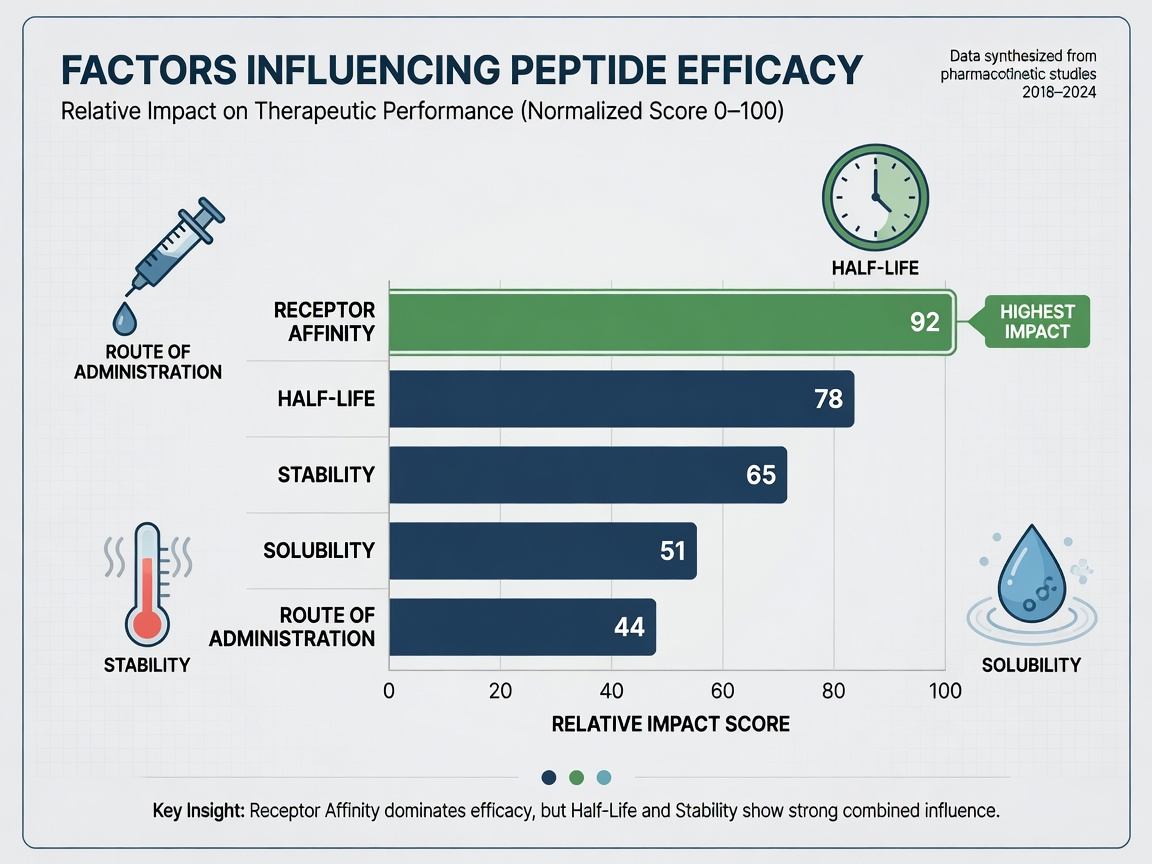
Several variables determine whether a peptide delivers its intended effect in a research or clinical setting. Understanding how peptides work in a given study requires attention to these variables.
Route of administration. Injections bypass digestion; oral, nasal, and topical forms face significant absorption hurdles. The route directly changes how peptides work because it determines how much active peptide reaches the target tissue.
Dose and timing. Because of their short half-life, many peptides must be dosed on careful schedules to maintain a steady signal. Researchers record exact dosing windows to reproduce signaling responses across experiments.
Individual biology. Receptor density, metabolism, age, and underlying health all shape the response. Even when the same peptide is used, biological variability can change the observed outcome between subjects.
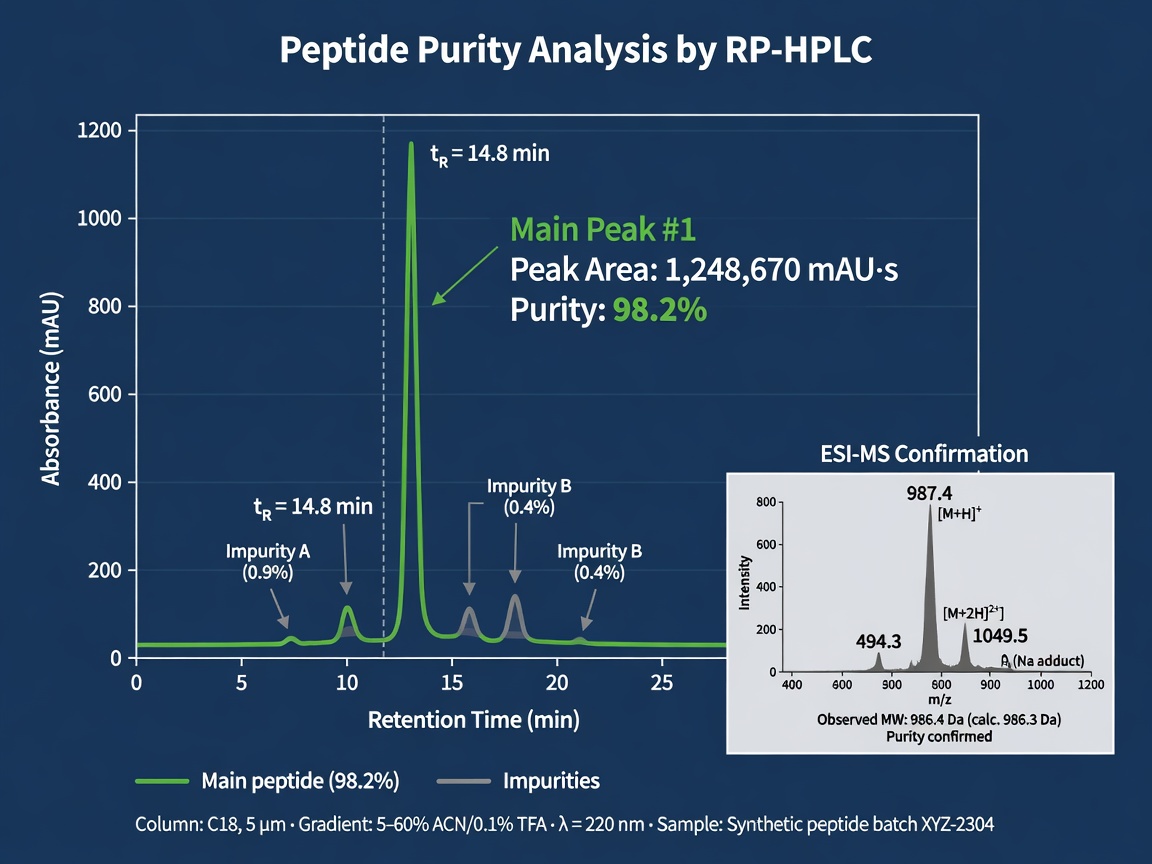
Product quality. Peptides degrade when exposed to heat or contamination, so sourcing, purity testing, and refrigerated storage matter enormously. Researchers commonly request high-performance liquid chromatography (HPLC) purity above 95–98%, a certificate of analysis (COA), and mass spectrometry confirmation. Lyophilized peptides should be stored at -20°C or below, while reconstituted peptides should be kept at 2–8°C and used promptly. These storage conditions directly preserve how peptides work over time.
Lifestyle context. Sleep, nutrition, stress, and exercise can all influence receptor expression and metabolic clearance, which in turn affect signaling outcomes in living systems. Controlled research protocols account for these variables whenever possible.
Checklist: variables to document in peptide research
- Peptide name, sequence, and molecular weight
- Purity percentage from HPLC and COA lot number
- Storage temperature and reconstitution solvent
- Route of administration and time of dosing
- Subject age, sex, and baseline receptor-related biomarkers
- Environmental conditions (fasting, activity, stress)
- Endpoint measurements and time points relative to dosing
How Do Researchers Measure Peptide Purity and Stability?
Because how peptides work depends on the active molecule reaching its receptor intact, purity and stability are not afterthoughts—they are core experimental variables. Analytical chemistry provides the tools to verify both.
High-performance liquid chromatography separates peptide species by polarity or size. A sharp, single peak usually indicates a homogeneous product; extra peaks reveal truncated sequences, oxidation products, or residual solvents. Mass spectrometry then confirms the exact molecular weight against the theoretical mass calculated from the amino acid sequence. Together, HPLC and mass spectrometry generate the COA data that responsible researchers review before starting any protocol.
Stability testing goes further. Accelerated degradation studies incubate peptides at elevated temperatures—often 25°C, 37°C, and 40°C—over days or weeks, sampling at intervals to measure remaining purity. These studies show how peptides work under real-world handling conditions and help define proper storage, shipping, and reconstitution guidelines. Without this data, a peptide might look pure on day one but lose activity before the experiment ends.
💡 Key Takeaway: How Do Researchers Measure Peptide Purity and Stability?
Why Does Half-Life Matter So Much in Peptide Research?
Half-life dictates how often a peptide must be administered, how long its signal persists, and whether continuous or pulsatile exposure is achieved. Natural signaling peptides often have half-lives measured in minutes, which is why researchers study how peptides work in time-resolved assays.
For example, the two-minute half-life of natural GLP-1 means that a single injection produces only a brief receptor activation. Modified versions with fatty acid attachments extend half-life to days, creating sustained receptor occupancy. This difference is not just a clinical convenience; it changes the downstream signaling pattern. Some receptors respond differently to transient versus sustained activation, a phenomenon called kinetic signaling bias. Researchers therefore measure half-life and receptor residence time to interpret signaling outcomes in a particular model.
How Are Peptides Synthesized for Research?
The most common method is solid-phase peptide synthesis (SPPS). In SPPS, amino acids are added one at a time to a growing chain anchored on an insoluble resin. Each cycle includes coupling, washing, and deprotection steps. After the full sequence is assembled, the peptide is cleaved from the resin, purified by HPLC, and lyophilized for storage. SPPS allows precise control over sequence, making it possible to produce modified peptides that show how peptides work when natural amino acids are replaced with non-natural building blocks.
Recombinant expression is an alternative for longer peptides. Here, a host organism such as E. coli or yeast produces the peptide from an inserted gene. Recombinant methods are efficient for large-scale production but may require additional folding or purification steps. The choice between SPPS and recombinant expression depends on peptide length, modification needs, and cost, but both routes aim to deliver a product with defined purity and activity so that researchers can reliably study signaling mechanisms.
How Does the Body Turn Off a Peptide Signal?
Turning off a signal is just as important as turning it on. Proteases, receptor internalization, and renal clearance all contribute to signal termination. Membrane-bound proteases can clip a peptide while it is still bound to its receptor, ending the signal immediately. Alternatively, the entire peptide-receptor complex can be internalized into the cell, where the peptide is degraded and the receptor is either recycled or destroyed. Finally, small peptides pass through the kidneys and are excreted in urine. These clearance mechanisms together explain how peptides work as temporary, tightly controlled messages rather than permanent switches.
💡 Key Takeaway: How Does the Body Turn Off a Peptide Signal?
What Does the Research Pipeline Look Like for Peptide-Based Molecules?
More than 80 peptide drugs are already approved worldwide, and the pipeline continues to expand. Researchers are exploring peptide candidates for metabolic disease, oncology, infectious disease, and neurology. Many of these programs start from a natural peptide and then apply the modification strategies described earlier: amino acid substitution, cyclization, fatty acid attachment, or PEGylation. Each modification changes half-life, receptor affinity, and immunogenicity profiles.
The global peptide therapeutics market has grown steadily, but this article does not include pricing or market figures. Instead, the relevant research metric is the number of active clinical trials and publications. For an overview of peer-reviewed therapeutic peptide research, see Therapeutic peptides: current applications and future directions in Signal Transduction and Targeted Therapy. This review summarizes peptide mechanisms across multiple disease areas and highlights remaining challenges.
What Are the Main Limitations of Peptide Research?
Despite their advantages, peptides face real limitations. Most cannot be taken orally without modification because stomach acid and digestive enzymes destroy them. Many natural peptides have half-lives too short for convenient use. Larger peptides can trigger immune responses, and manufacturing costs can be higher than for small molecules. Researchers must also account for solubility, aggregation, and stability issues. Understanding peptide signaling therefore includes understanding why some candidates fail—and how engineering can address those failures.
How Can Researchers Apply This Knowledge?
A practical research workflow starts with receptor binding and half-life data. Identify the target receptor and confirm that the peptide binds with reasonable affinity. Measure half-life in the relevant biological matrix. Then evaluate route of administration and dosing schedule. Finally, document purity, storage, and batch-specific COA data. This sequence mirrors the full molecular interaction from binding to whole-system effect. For further reading on practical protocols and safety boundaries, revisit the internal resources linked above.
💡 Key Takeaway: How Can Researchers Apply This Knowledge?
FAQ
What are peptides and how do they differ from proteins?
Peptides are chains of roughly 2 to 50 amino acids linked by peptide bonds, while proteins are longer chains that usually fold into complex structures. The size boundary matters because it changes how peptides work—peptides are small enough for targeted receptor binding but large enough to carry specific recognition surfaces.
How do peptides work in the body?
Peptides work by binding to specific cell-surface receptors and triggering internal signaling cascades. This receptor binding changes cell behavior, such as gene expression, hormone release, or nutrient uptake. The effect is temporary because proteases and clearance mechanisms quickly terminate the signal.
Why do most therapeutic peptides require injection?
Swallowed peptides are usually dismantled by stomach acid and digestive enzymes before they can reach the bloodstream. Injection bypasses this breakdown, improving bioavailability. Researchers also modify peptide structures to extend half-life and allow less frequent administration, but oral delivery remains a major challenge.
What is the half-life of natural GLP-1?
Natural GLP-1 survives in circulation for only about two minutes. This short half-life allows the body to tightly control appetite and blood sugar signaling. Modified versions with fatty acid attachments can last much longer, which is how once-weekly peptide medications were developed.
How many peptide-based drugs are approved worldwide?
More than 80 peptide-based drugs have been approved worldwide, treating conditions from diabetes to osteoporosis. This number reflects decades of research into peptide signaling mechanisms and continues to grow as new modification strategies emerge.
Final word: why peptides work matters for research
Peptides work through an elegant combination of sequence, shape, receptor specificity, and time-limited signaling. Every step—from peptide bond formation to protease degradation—is a variable that researchers can measure, modify, and exploit. For laboratory scientists, understanding how peptides work is not just theoretical; it is the practical foundation for reproducible experiments, interpretable data, and the next generation of peptide-based tools.
Topics covered in this article:
Ready to Take the Next Step?
Every product includes lot-specific documentation and third-party purity testing.
Explore Our Research Products →Free shipping on qualifying orders · Batch COA on request